
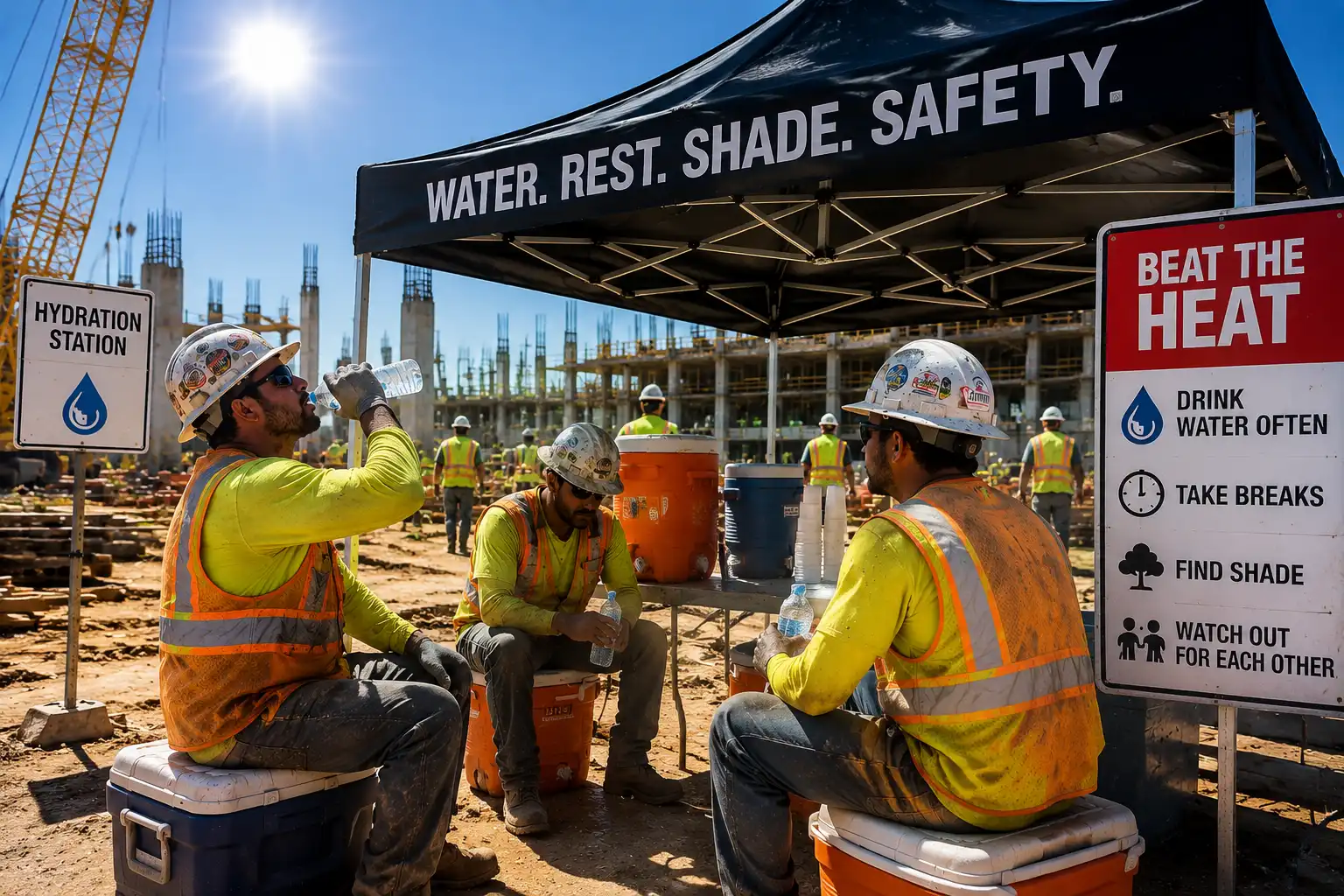
Heat-related workplace injuries are becoming a growing concern across the United States as temperatures continue to rise and heat waves become more frequent. Every year, thousands of workers suffer heat-related illnesses while performing their job duties, particularly in industries that require outdoor labor or physically demanding work. Construction workers, agricultural employees, warehouse staff, delivery drivers, landscapers, and manufacturing workers often face prolonged exposure to high temperatures that can place significant stress on the body.
Heat illnesses can develop quickly and may lead to serious medical complications if not addressed promptly. In severe cases, workers may require hospitalization or experience long-term health effects. Understanding OSHA requirements and employer responsibilities can help workers and businesses reduce the risk of heat-related injuries while promoting safer work environments.
Why Heat-Related Workplace Injuries Are a Serious Concern
Heat exposure is more than an inconvenience. Excessive temperatures can affect the body’s ability to cool itself, especially when workers are performing strenuous physical activities. When body temperature rises faster than it can be regulated, serious health issues may develop.
The human body naturally cools itself through sweating. However, high humidity, direct sunlight, heavy protective equipment, and physically demanding tasks can interfere with this process. As a result, workers may experience dehydration, fatigue, dizziness, confusion, or more severe medical emergencies.
According to the Occupational Safety and Health Administration (OSHA), heat is one of the leading causes of weather-related workplace fatalities. Many heat-related illnesses are preventable when employers implement proper safety measures and workers understand the warning signs.
For current guidance on workplace heat safety, OSHA provides extensive resources through its official Heat Illness Prevention program:
Common Types of Heat-Related Workplace Injuries
Heat-related illnesses can range from mild discomfort to life-threatening emergencies. Understanding the different types of heat-related conditions can help workers recognize symptoms before they become severe.
Heat Rash
Heat rash occurs when sweat becomes trapped beneath the skin. Workers often notice clusters of red bumps accompanied by itching or irritation. While heat rash is generally considered minor, it may indicate that working conditions are becoming excessively hot.
Heat Cramps
Heat cramps typically develop after significant fluid and electrolyte loss through sweating. Workers may experience painful muscle spasms in their arms, legs, shoulders, or abdomen. These cramps often occur during or after strenuous physical activity in hot environments.
Heat Exhaustion
Heat exhaustion is one of the most common heat-related workplace illnesses. It develops when the body loses excessive amounts of water and salt through sweating. Symptoms may include heavy perspiration, weakness, headaches, dizziness, nausea, and fatigue.
Workers experiencing heat exhaustion often feel physically drained and may struggle to continue working safely. Without intervention, heat exhaustion can progress into a more dangerous condition known as heat stroke.
Heat Stroke
Heat stroke is a medical emergency that requires immediate treatment. It occurs when the body’s temperature rises to dangerous levels and normal cooling mechanisms fail.
Symptoms often include confusion, loss of consciousness, seizures, slurred speech, and body temperatures exceeding 103 degrees Fahrenheit. Heat stroke can cause permanent organ damage, neurological injuries, and death if not treated quickly.
Industries With the Highest Risk of Heat Exposure
While nearly any worker can be affected by extreme temperatures, certain industries face a greater risk of heat-related injuries due to environmental conditions and job demands.
Construction workers often spend long hours outdoors under direct sunlight. Roofing crews, road workers, concrete laborers, and utility workers frequently perform physically demanding tasks during the hottest parts of the day.
Agricultural workers are also highly vulnerable. Long hours in open fields, combined with repetitive physical labor, can create dangerous working conditions during the summer months.
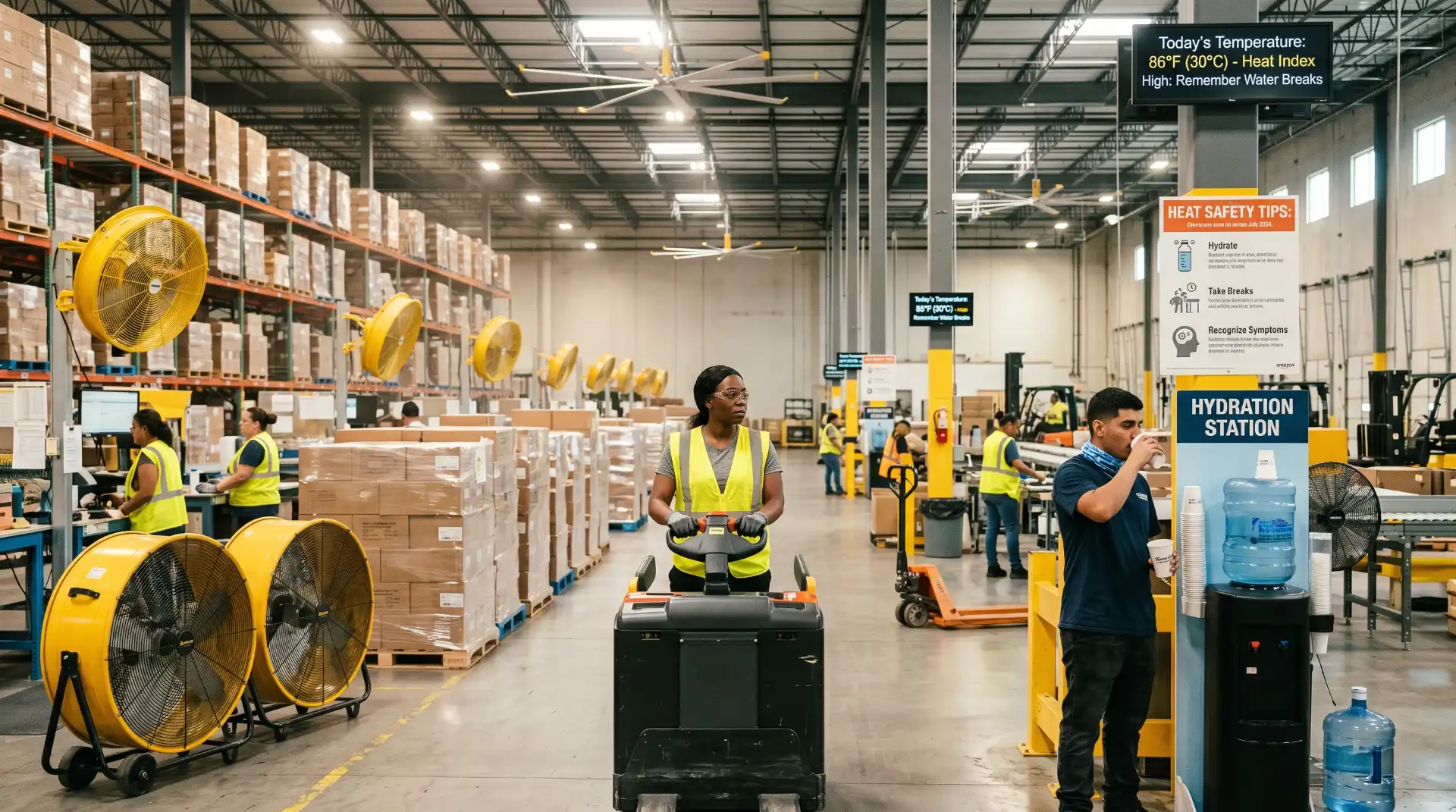
Warehouse employees may face significant heat exposure as well. Large facilities without adequate ventilation or air conditioning can reach extremely high temperatures, particularly during heat waves.
Delivery drivers, landscapers, manufacturing workers, oil field employees, and transportation workers may also face elevated risks depending on their work environments and daily responsibilities.
OSHA’s Role in Preventing Heat-Related Workplace Injuries
OSHA is responsible for promoting safe and healthy working conditions throughout the United States. Although there is currently no comprehensive federal heat-specific standard covering all industries, OSHA uses the General Duty Clause of the Occupational Safety and Health Act to address workplace heat hazards.
The General Duty Clause requires employers to provide a workplace free from recognized hazards that are likely to cause death or serious physical harm. Because excessive heat is widely recognized as a workplace hazard, employers may face OSHA citations when they fail to implement reasonable safety measures.
OSHA actively conducts inspections, educational campaigns, and outreach programs designed to raise awareness about heat-related illnesses and prevention strategies. The agency also provides resources that help employers develop heat illness prevention programs tailored to their workplaces.
Employer Responsibilities Under OSHA
Employers play a critical role in protecting workers from heat-related illnesses. OSHA encourages businesses to proactively identify heat hazards and implement safeguards before injuries occur.
One of the most important responsibilities involves ensuring that workers have access to clean drinking water throughout their shifts. Proper hydration helps the body regulate temperature and replace fluids lost through sweating. Workers who become dehydrated face a significantly higher risk of developing heat-related illnesses.
Employers should also provide opportunities for workers to rest and recover. Rest breaks become increasingly important during periods of extreme heat, particularly for employees performing physically demanding tasks. Scheduling regular breaks allows workers to cool down and reduce physical strain.
Providing access to shaded areas or air-conditioned spaces can further reduce heat-related risks. Cooling stations give workers a safe location to recover before returning to their duties.
Training is another key component of workplace heat safety. Employees and supervisors should understand how to recognize the signs of heat illness and know what steps to take during an emergency. Prompt recognition and response may prevent serious medical complications.
The Importance of Heat Acclimatization
Heat acclimatization refers to the body’s gradual adaptation to working in hot environments. Workers who are new to a job or returning after an extended absence often face a higher risk of heat-related illness because their bodies have not adjusted to the heat.
Acclimatization typically occurs over several days or weeks as the body becomes more efficient at regulating temperature and conserving fluids. During this adjustment period, workers may need additional breaks, reduced workloads, and closer supervision.
Employers who gradually increase exposure to hot conditions may help reduce the likelihood of heat-related injuries among new or returning employees. OSHA frequently highlights acclimatization as one of the most effective strategies for preventing heat illness.
Factors That Increase the Risk of Heat Illness
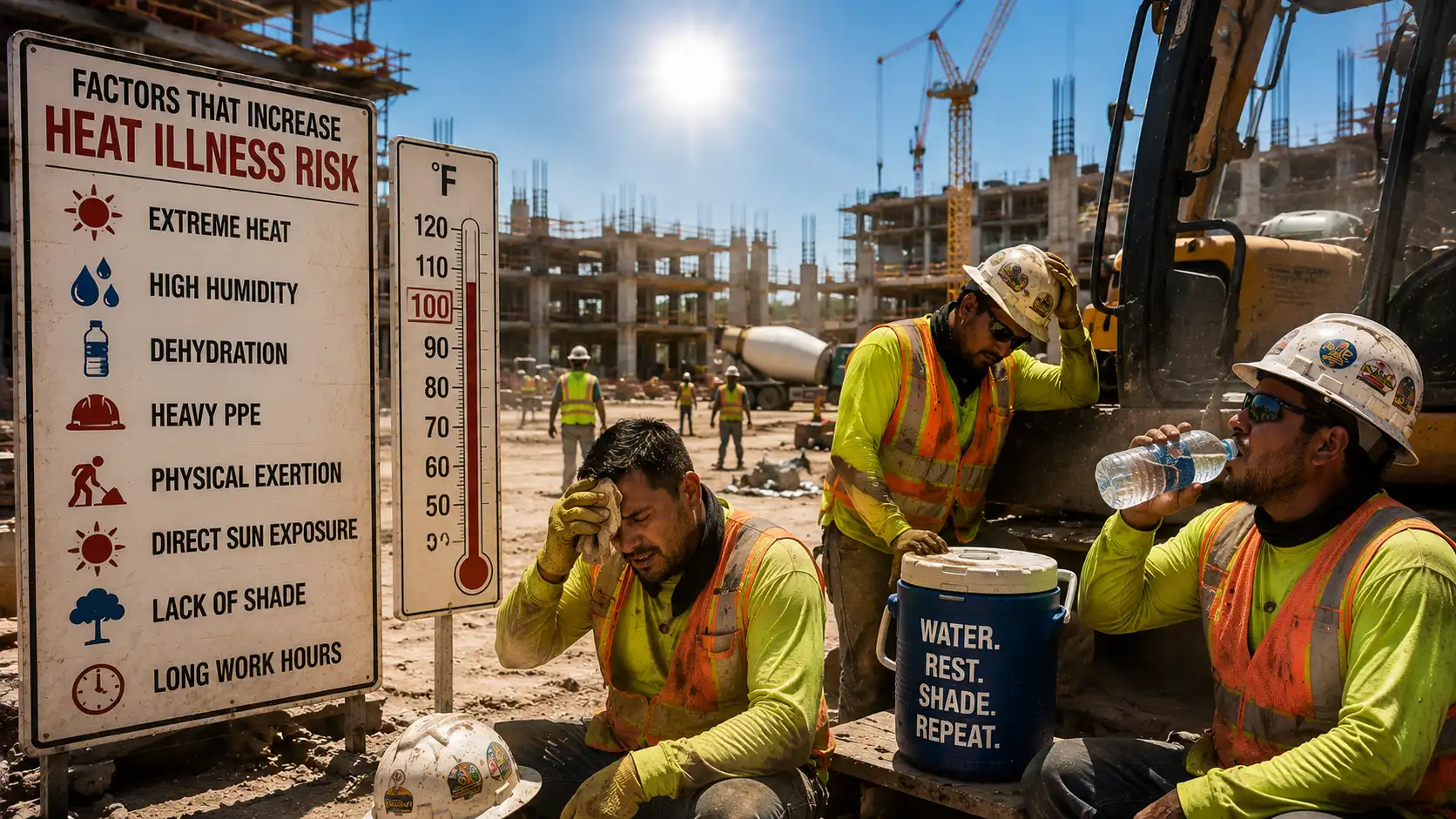
Several factors can increase a worker’s vulnerability to heat-related injuries.
High humidity levels often make it more difficult for sweat to evaporate, limiting the body’s natural cooling process. Even moderate temperatures can become dangerous when humidity is elevated.
Heavy protective clothing or personal protective equipment may trap heat and restrict airflow. Workers wearing specialized gear often experience greater heat stress than those in lighter clothing.
Physical exertion is another major factor. Jobs that require lifting, climbing, digging, or repetitive movement generate additional body heat, increasing overall strain.
Certain medical conditions and medications may also affect how the body responds to heat. Workers with underlying health concerns may need additional precautions during hot weather.
Recognizing these risk factors can help employers develop safety protocols that address the unique needs of their workforce.
Workers’ Compensation and Heat-Related Workplace Injuries
Employees who suffer heat-related illnesses while performing work duties may be eligible for workers’ compensation benefits. While workers’ compensation laws vary by state, many programs provide coverage for occupational illnesses and injuries resulting from workplace conditions.
A worker who develops heat exhaustion, heat stroke, severe dehydration, or related medical complications may qualify for benefits if the condition arose out of and during employment. These benefits often cover medical treatment, rehabilitation services, and partial wage replacement during recovery.
Prompt reporting is important when a heat-related injury occurs. Workers should notify their employer, seek medical attention, and document the circumstances surrounding the incident. Medical records and workplace documentation may help establish the connection between the injury and job-related heat exposure.
Practical Strategies for Preventing Heat-Related Injuries
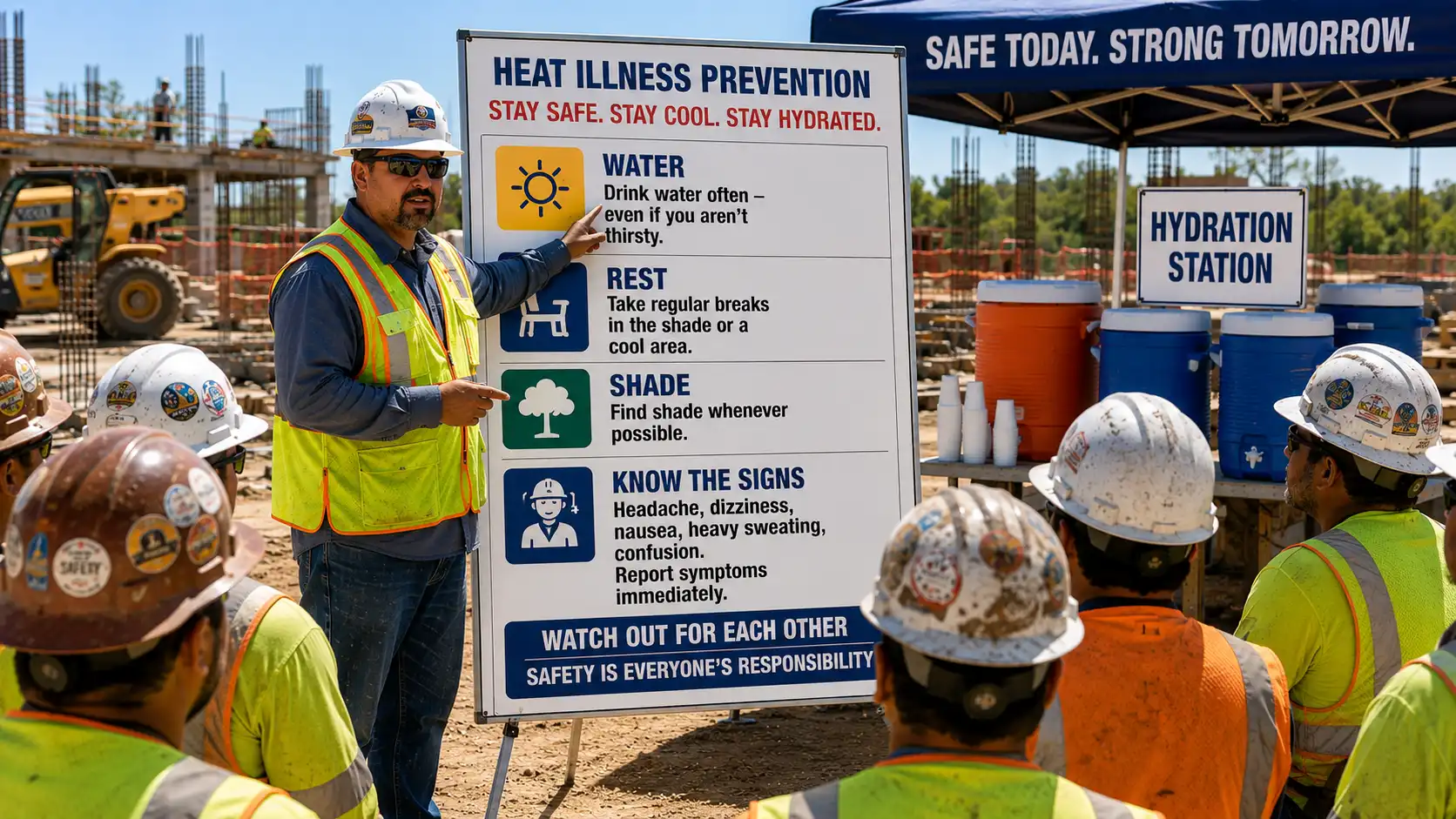
Preventing heat-related workplace injuries requires cooperation between employers and workers. Successful prevention programs focus on education, planning, and early intervention.
Employers may reduce risks by monitoring weather forecasts, adjusting work schedules, and limiting strenuous activities during peak heat periods. Some companies shift outdoor tasks to early morning hours when temperatures are lower.
Workers can contribute to workplace safety by staying hydrated, taking scheduled breaks, and reporting symptoms as soon as they appear. Employees should also remain aware of coworkers who may be showing signs of heat-related distress.
A culture that prioritizes safety and encourages open communication often leads to faster responses when heat hazards arise.
The Future of Workplace Heat Regulations
Heat-related workplace injuries continue to receive increased attention from regulators and policymakers. As climate patterns change and temperatures rise across many regions of the country, discussions regarding stronger workplace heat protections have intensified.
OSHA has proposed additional measures aimed at improving protections for workers exposed to excessive heat. Many workplace safety advocates support more detailed federal standards that establish clear employer requirements regarding hydration, rest breaks, cooling areas, and emergency response procedures.
Regardless of future regulatory changes, employers remain responsible for protecting workers from recognized hazards. Businesses that invest in comprehensive heat safety programs may reduce injuries, improve employee well-being, and create safer workplaces.
Conclusion
Heat-related workplace injuries remain a significant concern across the United States. Workers in construction, agriculture, manufacturing, warehousing, transportation, and many other industries face daily exposure to conditions that can contribute to serious heat illnesses.
OSHA continues to emphasize the importance of workplace heat safety through education, enforcement efforts, and guidance for employers. Providing access to water, rest breaks, cooling areas, training, and emergency response procedures can significantly reduce the risk of heat-related injuries.
As temperatures continue to rise, both employers and employees share a responsibility to recognize heat hazards and take proactive steps to prevent workplace illnesses. A strong commitment to heat safety can help create healthier work environments while reducing the likelihood of preventable injuries.