
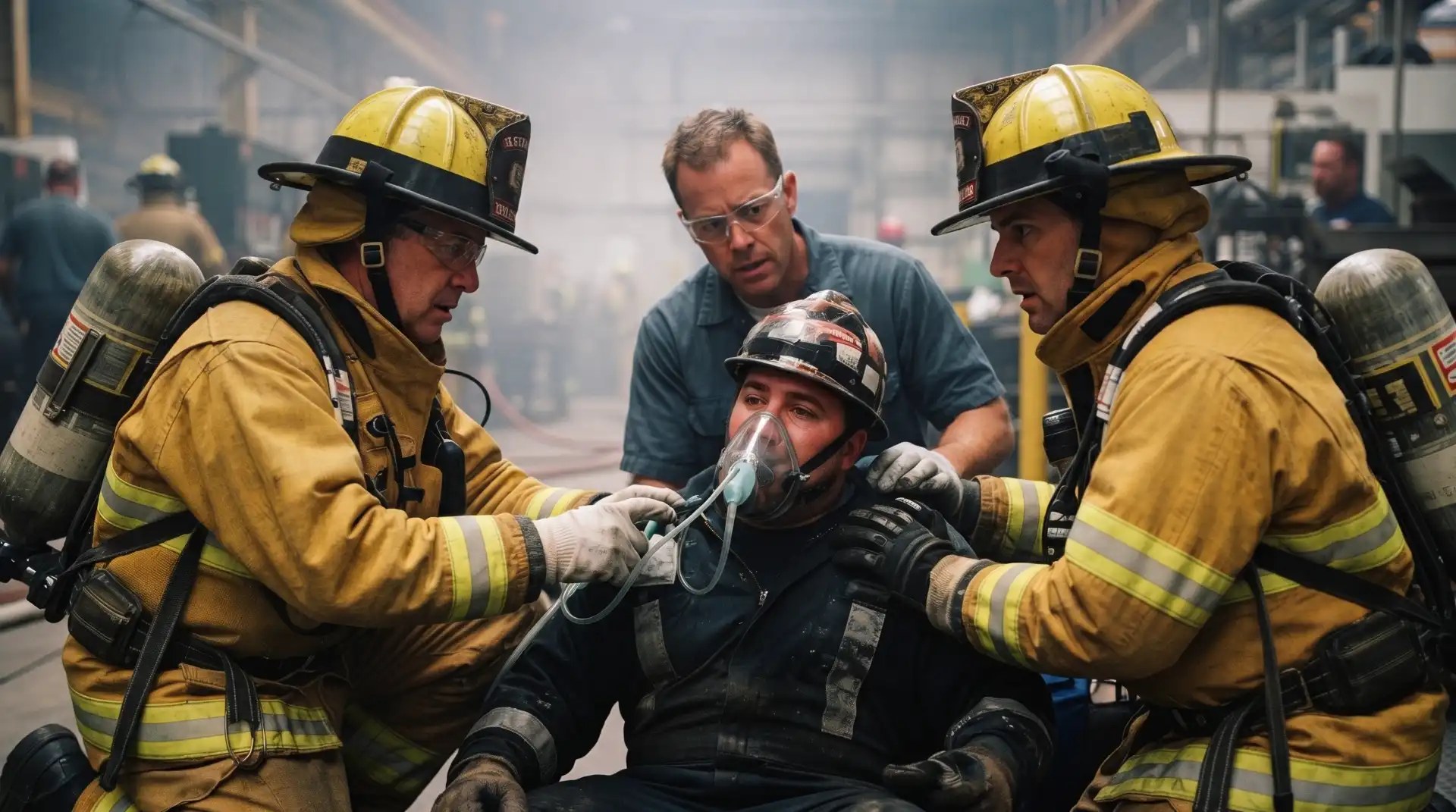
Industrial burn injuries are among the most devastating workplace accidents in the United States. Employees in manufacturing plants, construction sites, chemical processing facilities, oil refineries, warehouses, food processing plants, and utility companies often work around extreme heat, electricity, hazardous chemicals, steam, combustible materials, and heavy machinery. Even with comprehensive workplace safety regulations, serious burn injuries continue to occur every year, leaving workers with extensive medical expenses, lost income, permanent disabilities, and emotional trauma.
Recovering from a severe burn injury is rarely simple. Victims may require emergency treatment, skin grafts, reconstructive surgery, rehabilitation, occupational therapy, and long-term psychological counseling. While workers’ compensation benefits may help cover some financial losses, injured employees are often surprised to learn they may also have additional legal rights depending on how the accident occurred.
Understanding these legal options can make a significant difference in protecting your financial future after a serious workplace accident.
How Industrial Burn Injuries Happen
Industrial environments contain numerous hazards capable of causing severe burns. Manufacturing facilities, warehouses, power plants, construction projects, chemical laboratories, and oil production sites frequently expose workers to dangerous conditions that require strict safety procedures.
Some of the most common causes include:
- Flash fires
- Arc flash electrical explosions
- Hot steam releases
- Chemical spills
- Molten metal exposure
- Boiler explosions
- Faulty machinery
- Defective electrical equipment
- Gas explosions
- Improper storage of flammable materials
Although these accidents may appear unavoidable, many occur because established safety procedures were ignored, equipment was poorly maintained, workers were inadequately trained, or dangerous products malfunctioned.
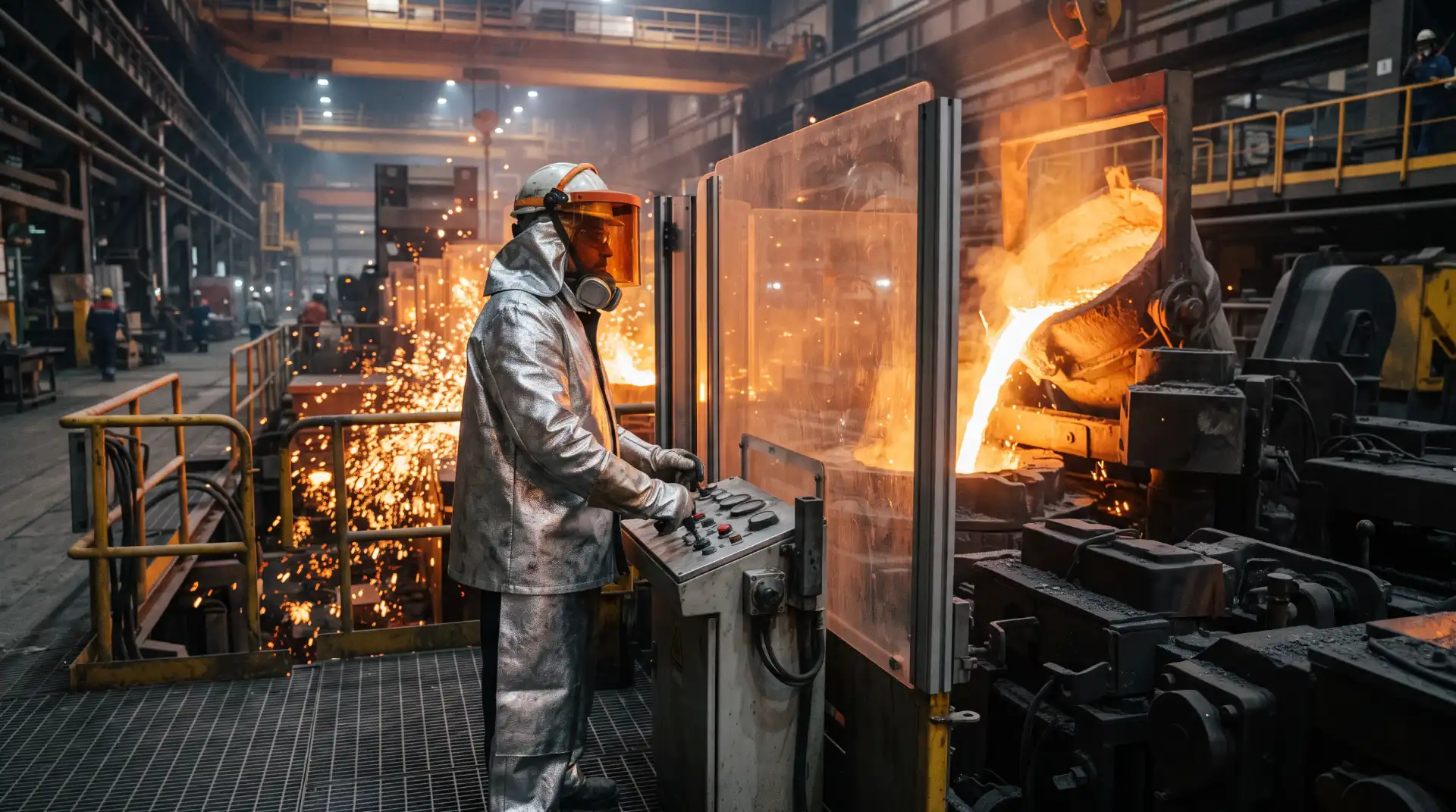
Different Types of Workplace Burns
Industrial burn injuries vary significantly depending on the source of exposure. Medical treatment, recovery time, and legal claims often depend on the specific type of burn sustained.
Thermal Burns
Thermal burns result from direct contact with flames, heated equipment, molten materials, steam, or extremely hot liquids. Construction workers, welders, mechanics, and manufacturing employees frequently face these hazards.
Chemical Burns
Chemical burns occur when hazardous substances damage skin or internal tissues. Industrial cleaning agents, acids, alkalis, solvents, and corrosive materials can cause severe injuries even after only brief exposure.
Electrical Burns
Electrical burns are particularly dangerous because internal injuries may be far more severe than what appears on the surface. High-voltage electrical accidents can damage muscles, nerves, organs, and the heart.
Radiation Burns
Workers in healthcare, laboratories, manufacturing, and energy industries may experience radiation burns after prolonged exposure to radioactive materials or specialized industrial equipment.
The Physical and Emotional Impact of Serious Burn Injuries
Burn injuries affect far more than the skin. Severe burns frequently require hospitalization in specialized burn centers where patients undergo multiple surgeries over several months or even years.
Many injured workers experience:
- Permanent scarring
- Limited mobility
- Nerve damage
- Chronic pain
- Disfigurement
- Loss of sensation
- Psychological trauma
- Anxiety and depression
- Post-traumatic stress disorder
Recovery often extends well beyond physical healing. Returning to work can become difficult or impossible depending on the severity of the injury and the worker’s occupation.
Workers’ Compensation Benefits After an Industrial Burn Injury
Most employees injured while performing job-related duties are eligible for workers’ compensation benefits regardless of who caused the accident. Workers’ compensation generally serves as the first source of financial assistance following a workplace burn injury.
Available benefits may include payment for emergency medical treatment, hospitalization, surgeries, prescription medications, rehabilitation, physical therapy, temporary disability benefits while recovering, permanent disability benefits when lasting impairments remain, and vocational rehabilitation when returning to previous employment is no longer possible.
Unlike personal injury lawsuits, workers’ compensation typically does not provide compensation for pain and suffering. This limitation is one reason why additional legal options may become important in certain workplace accidents.
When You May Have More Than a Workers’ Compensation Claim
Although workers’ compensation benefits are valuable, they are not always the only remedy available. Some industrial burn injuries involve negligent third parties who can be held financially responsible outside the workers’ compensation system.
Examples include:
- A defective machine catches fire because of a manufacturing defect.
- An outside contractor improperly installs electrical equipment.
- A subcontractor creates unsafe working conditions.
- A chemical manufacturer provides inadequate warning labels.
- A maintenance company performs negligent repairs.
Third-party claims may allow injured workers to pursue damages unavailable through workers’ compensation, including compensation for pain and suffering, full lost earnings, diminished future earning capacity, and other recoverable losses under applicable law.
OSHA Regulations Play an Important Role
The Occupational Safety and Health Administration (OSHA) establishes workplace safety standards intended to reduce industrial accidents throughout the United States. Employers are generally required to provide reasonably safe workplaces, appropriate personal protective equipment, employee training, hazard communication, machine guarding, emergency response planning, and compliance with applicable safety regulations.
If an OSHA investigation identifies safety violations after a burn accident, those findings may become important evidence during an injury claim or related litigation. However, OSHA citations alone do not automatically determine legal liability or guarantee compensation.

Evidence Can Be Critical After an Industrial Burn Accident
Industrial accident scenes often change quickly after an emergency. Equipment may be repaired, damaged materials removed, surveillance footage overwritten, and witnesses dispersed.
Important evidence can include photographs of the scene, maintenance records, inspection reports, incident reports, witness statements, surveillance video, safety manuals, training records, OSHA investigation documents, and medical records documenting the extent of the injuries.
Preserving this evidence early can help establish how the accident occurred and whether another party may share legal responsibility.
Common Industries With High Burn Injury Risks
While nearly every workplace presents some level of burn risk, certain industries experience these injuries more frequently due to the nature of their operations.
Workers commonly exposed include employees in:
- Oil and gas production
- Chemical manufacturing
- Steel mills
- Metal fabrication
- Electrical utilities
- Construction
- Commercial kitchens
- Food processing facilities
- Paper mills
- Transportation and logistics
Each industry presents unique hazards requiring specialized safety procedures and protective equipment.

Long-Term Financial Consequences
Serious industrial burn injuries can affect an employee’s financial stability for years. Extended hospital stays, rehabilitation, adaptive medical equipment, prescription medications, home modifications, transportation costs, and reduced earning capacity may continue long after the initial accident.
Some workers are unable to return to physically demanding careers and must transition into lower-paying positions or retire early because of permanent disabilities. These long-term losses are important considerations when evaluating available legal remedies.
Why Legal Guidance Can Make a Difference
Industrial burn injury cases often involve complex factual and legal issues. An injured worker may be dealing with a workers’ compensation insurer while questions also arise about defective equipment, third-party negligence, OSHA investigations, contractual relationships between companies, or multiple potentially responsible parties.
An attorney can evaluate the circumstances of the accident, identify available claims, preserve critical evidence, communicate with insurance companies, coordinate expert investigations when appropriate, calculate recoverable damages, and advocate for the injured worker throughout the legal process.
Protecting Yourself After a Workplace Burn Injury
Seeking immediate medical care should always be the first priority after any burn injury. Prompt treatment not only improves the chances of recovery but also creates medical documentation that may support a future claim. Workers should report the incident to their employer as soon as possible, follow applicable reporting procedures, attend all recommended medical appointments, and keep copies of medical bills, work restrictions, and correspondence related to the injury.
It is also important to avoid assuming that workers’ compensation is the only available option. Depending on the facts of the accident, additional legal remedies may exist that provide broader compensation than workers’ compensation alone.
Conclusion
Industrial burn injuries can have life-changing physical, emotional, and financial consequences. Although workers’ compensation benefits provide important assistance for many injured employees, some workplace accidents also involve defective products, negligent contractors, or other third parties that may create additional legal rights.
Understanding these options can help injured workers make informed decisions during an already difficult recovery. Every workplace accident is different, and the available remedies depend on the specific facts surrounding the incident, the parties involved, and applicable state and federal law.
If you or a loved one suffered industrial burn injuries while working, speaking with an experienced workplace injury attorney can help you understand your legal rights, evaluate potential claims, and pursue the compensation available under the law.