
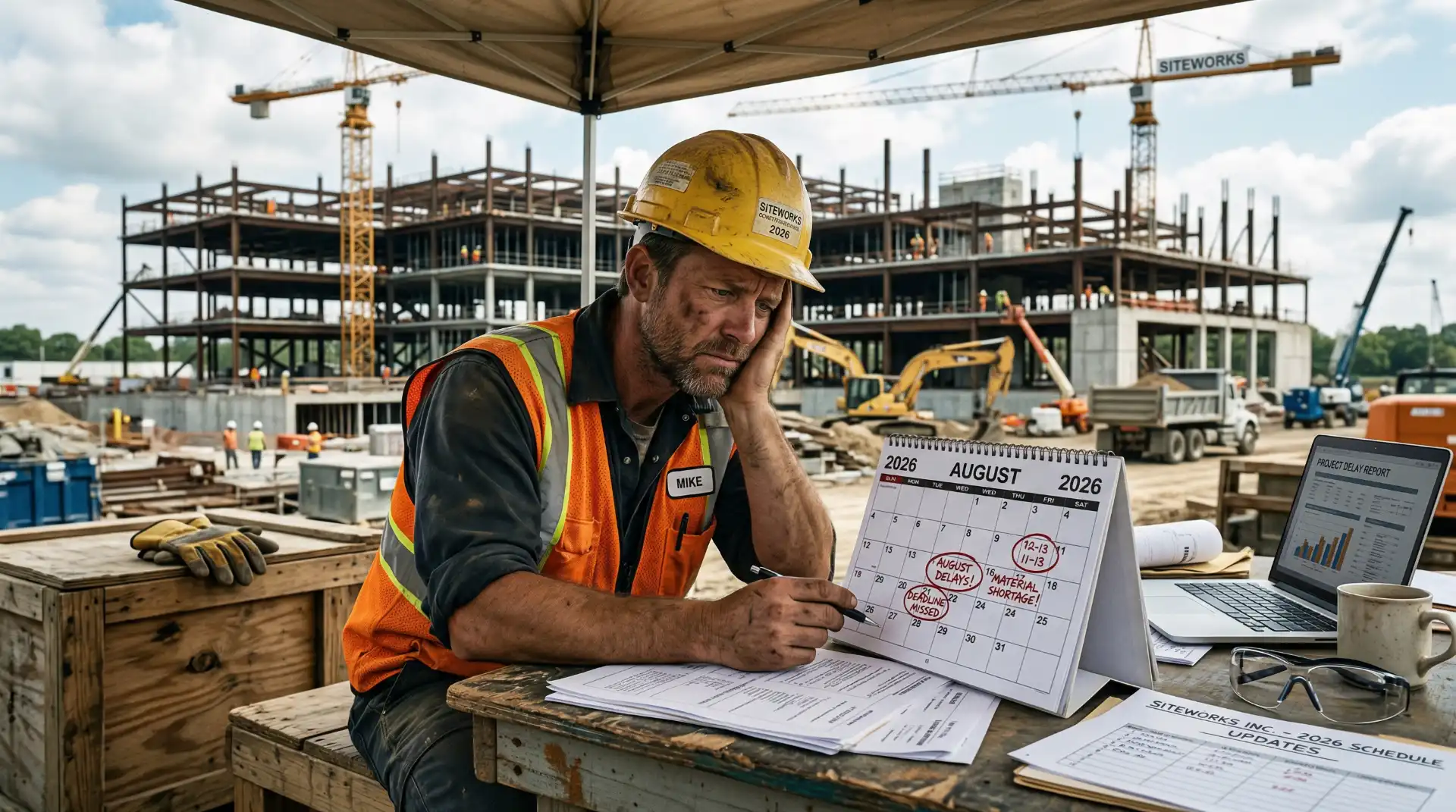
Workers compensation cases may take anywhere from a few weeks to over a year in 2026. The timeline depends on the injury, medical treatment, and whether the claim is disputed. Some cases move quickly, while others take longer due to delays or complications.
Understanding How the Process Works
When a workplace injury happens, the process begins with reporting the incident and filing a claim. From there, the insurance company reviews the case, medical treatment begins, and benefits may be issued if the claim is approved.
Although each state has its own system, most cases follow a similar path. The length of time depends on how smoothly each stage moves forward. A straightforward claim with a minor injury may resolve quickly, while a more serious case may take several months or longer.
The Early Stage of a Claim
The first stage starts when the injury is reported to the employer. Timing matters here. If a report is delayed, it may slow down the entire process.
Once the report is made, the employer submits the claim to their insurance carrier. The worker may also need to complete paperwork and begin medical care. This stage often moves quickly, but delays may happen if details are missing or if there are questions about how the injury occurred.
Some cases move forward within days, while others take a few weeks before the claim is fully processed.
If you are unsure about the steps involved, you may review this guide:
https://www.workinjuryattorney.org/what-to-expect-from-your-workers-compensation-claim-process/
Insurance Review and Decision
After the claim is filed, the insurance company evaluates it. This stage is important because it determines whether benefits may begin.
In many states, insurers have a limited time to make a decision. During this period, they review medical records, gather statements, and examine the circumstances of the injury.
If the claim is approved, medical treatment and wage benefits may begin. If it is denied, the case may shift into a dispute process, which often adds time.
The U.S. Department of Labor explains that workers compensation systems are handled at the state level, which is why timelines may vary.

Medical Treatment and Recovery
Medical care often becomes the longest part of the case. The timeline depends heavily on how serious the injury is and how long recovery takes.
For minor injuries, treatment may last only a few weeks. However, more serious conditions may require ongoing care, physical therapy, or even surgery. In those situations, the case may remain open for months.
During this phase, doctors monitor recovery and provide updates. These medical reports play a major role in determining when the case can move forward.
Reaching Maximum Medical Improvement
A key point in any workers compensation case is reaching what is known as maximum medical improvement. This means the condition has stabilized and is not expected to improve further.
Once this stage is reached, doctors evaluate whether there is any lasting impairment. This assessment may affect the final outcome of the case.
In some situations, additional medical evaluations may be required. If there are disagreements about the condition, the process may take longer.
Settlement or Continued Benefits
After medical improvement is reached, the case may move toward resolution. This does not always happen immediately.
Some cases involve settlement discussions, where both sides review the value of the claim. These discussions may take time, especially if there are disagreements about medical findings or future care.
Other cases may continue with ongoing benefits instead of a settlement. The path depends on the details of the injury and how the claim is handled.

What Happens When a Claim Is Disputed
Disputes are one of the biggest reasons workers compensation cases take longer.
A claim may be disputed if the insurance company questions whether the injury is work-related or if there are disagreements about treatment or disability status.
When this happens, the case may move into a formal process that includes hearings and evidence review. Scheduling alone may take weeks or months, depending on the system in your state.
Appeals and Hearings
If a claim is denied, the appeals process begins. This stage often adds significant time to the case.
Workers may need to attend hearings, submit additional medical evidence, and present their case before a judge or board. Each step requires scheduling and review, which may extend the timeline.
Some appeals resolve within a few months, while others may take longer depending on the complexity of the case.
Factors That Influence the Timeline
The length of a workers compensation case depends on several key factors. One of the most important is the severity of the injury. More serious injuries often require longer treatment and more detailed evaluations.
Medical complexity also plays a role. Cases involving surgery or long-term care may take more time to resolve.
Disputes can significantly extend the process, especially when there are disagreements about medical findings or eligibility for benefits.
State laws also matter. Each state has its own deadlines, procedures, and requirements, which can affect how quickly a case moves forward.
Finally, documentation can influence timing. Missing records or incomplete information may cause delays that slow down the entire process.
Average Timeline in 2026
While every case is different, there are general timeframes that may help set expectations.
Cases involving minor injuries may resolve within a few weeks to a few months. Moderate injuries often take several months, especially if ongoing treatment is required.
More serious or disputed cases may take six months or longer. In some situations, cases may extend beyond a year, particularly when appeals are involved.
Recent trends show that more claims involve complex medical issues, which may contribute to longer timelines in 2026.
 Why Delays Happen
Even when a claim seems straightforward, delays may still occur.
Late reporting is one of the most common causes. When an injury is not reported right away, it may raise questions that slow down the process.
Medical scheduling can also create delays. Appointments, evaluations, and treatment plans may take time to arrange.
Insurance investigations may add another layer of delay, especially when the claim is being closely reviewed.
Understanding these factors may help you anticipate potential challenges during your case.
How Legal Guidance May Help
Some workers choose to seek legal guidance during the process. This may help with organizing documents, responding to insurance requests, and addressing disputes.
While legal involvement does not guarantee a faster timeline, it may help reduce unnecessary delays and keep the case moving forward.
Final Thoughts
Workers compensation cases in 2026 may take different amounts of time depending on the situation. Some cases resolve quickly, while others take longer due to medical care or disputes.
Understanding each stage of the process may help you set realistic expectations. While delays may happen, knowing what to expect may make the process easier to manage.